
Behaviour Change Conclave 2026: Reimagining AI, Behaviour & Public Impact
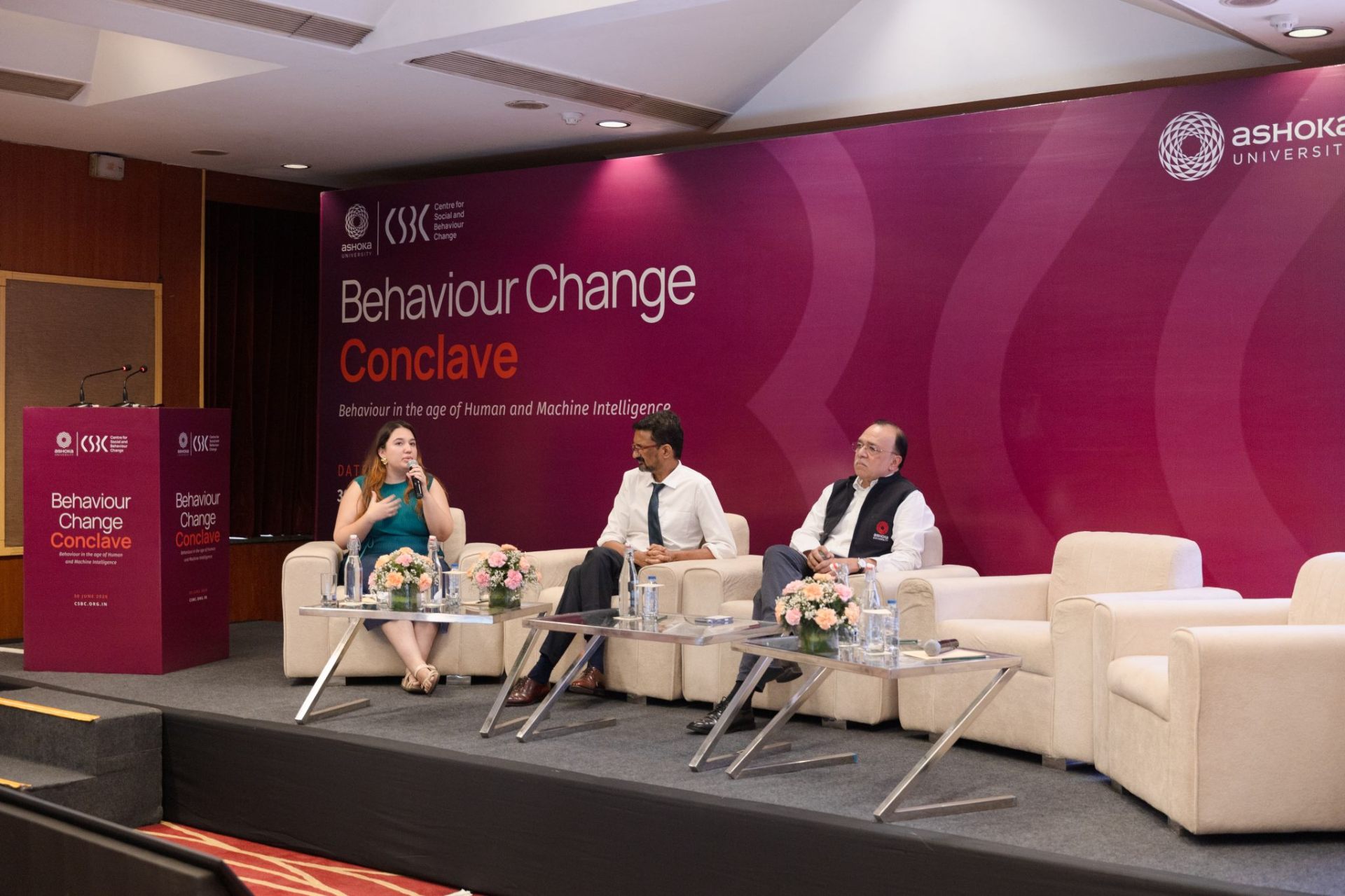
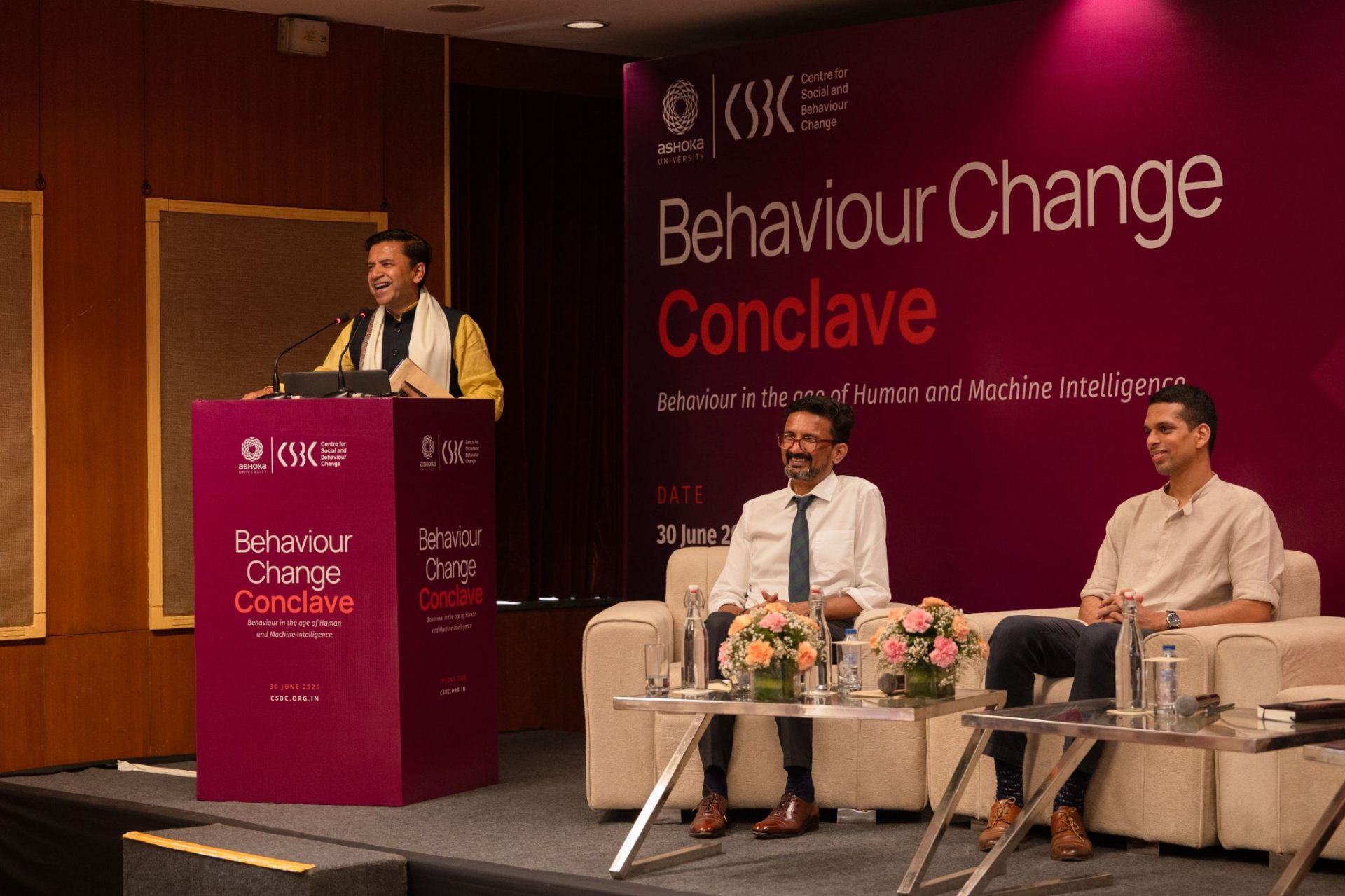
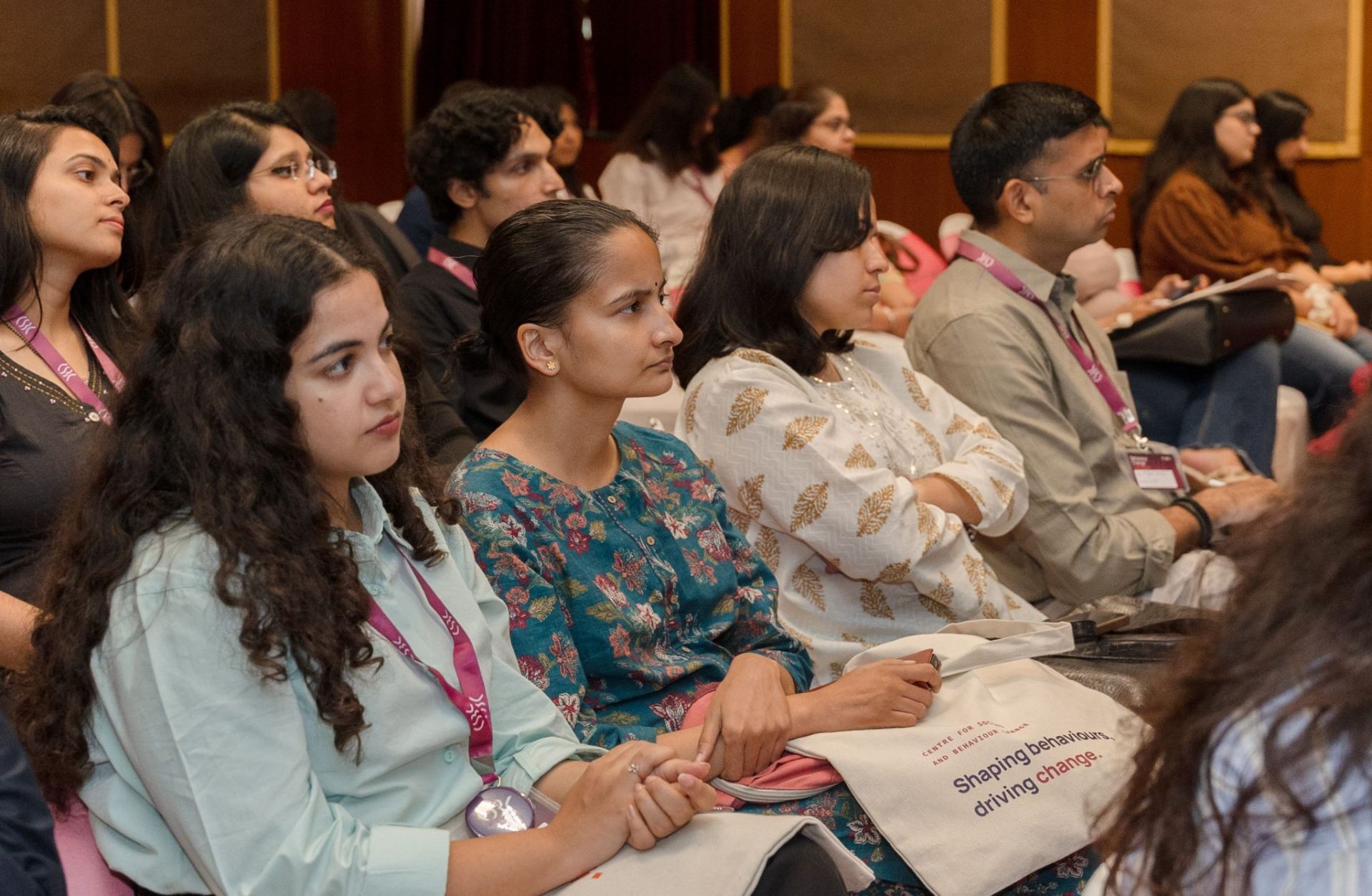
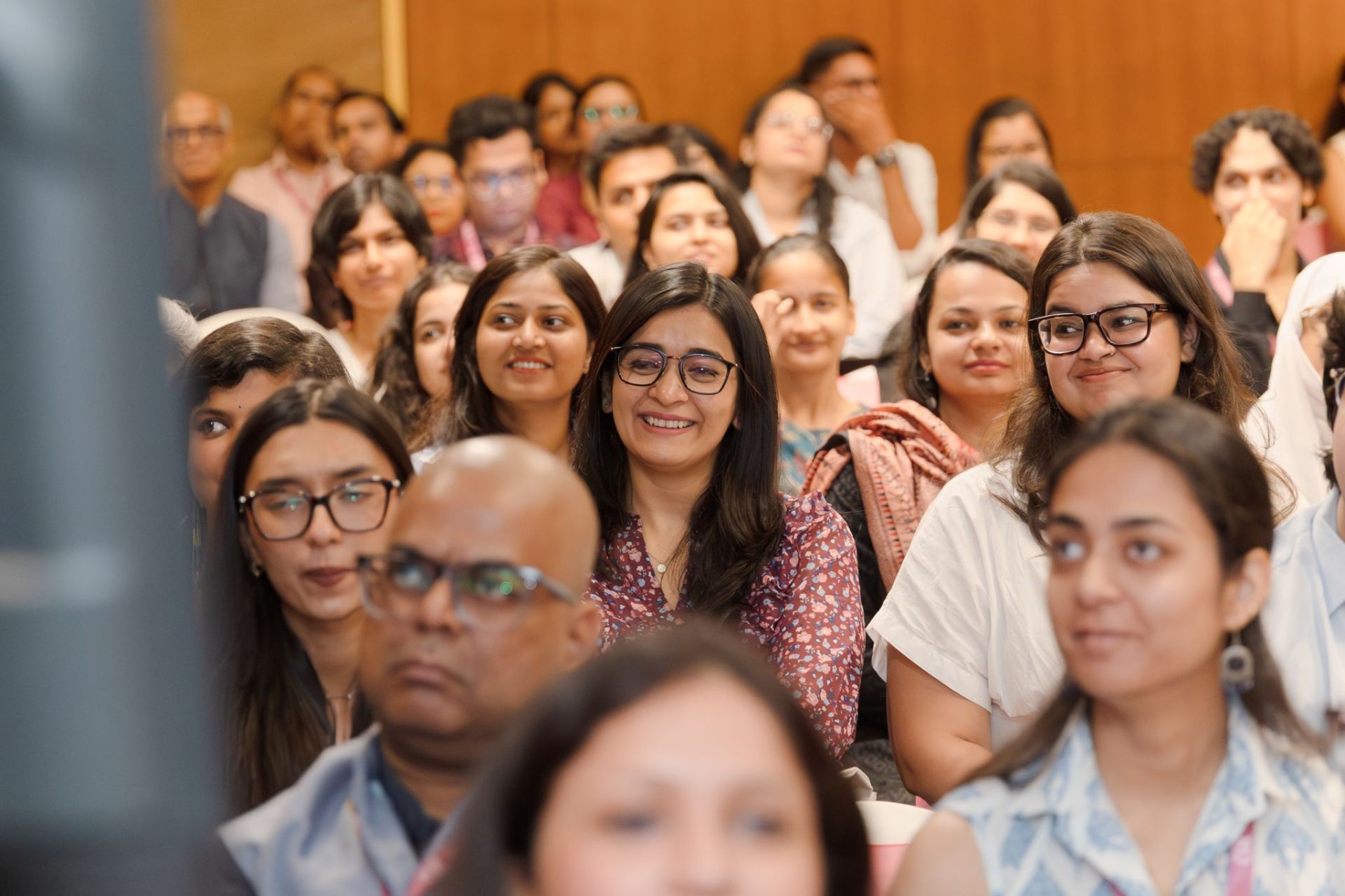
On 30 June 2026, Ashoka University's Centre for Social and Behaviour Change (CSBC) convened researchers, policymakers, founders, technologists, and social-sector leaders for Behaviour Change Conclave 2026, a national forum focused on the intersection of artificial intelligence, behavioural science, and public impact.
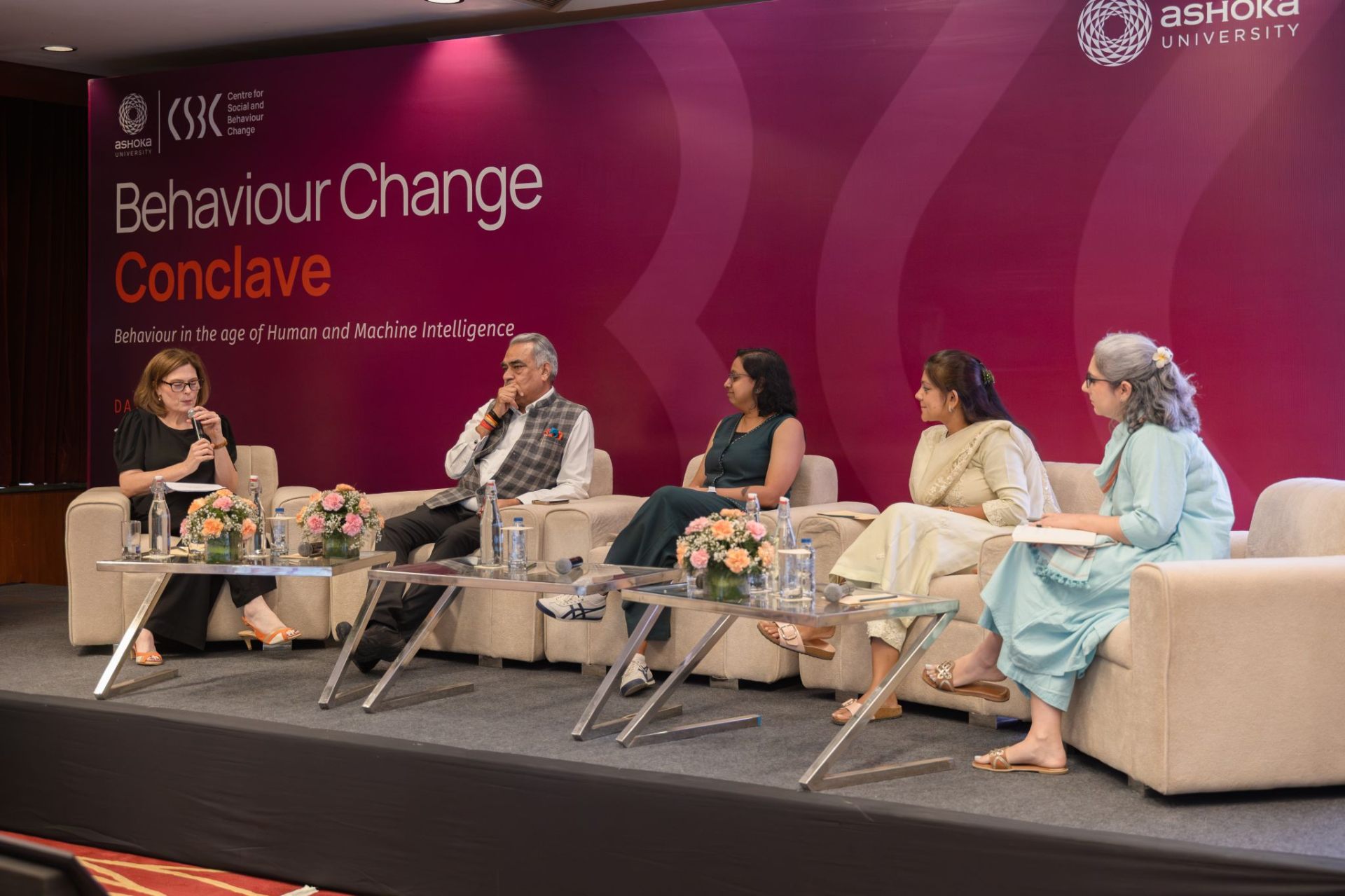
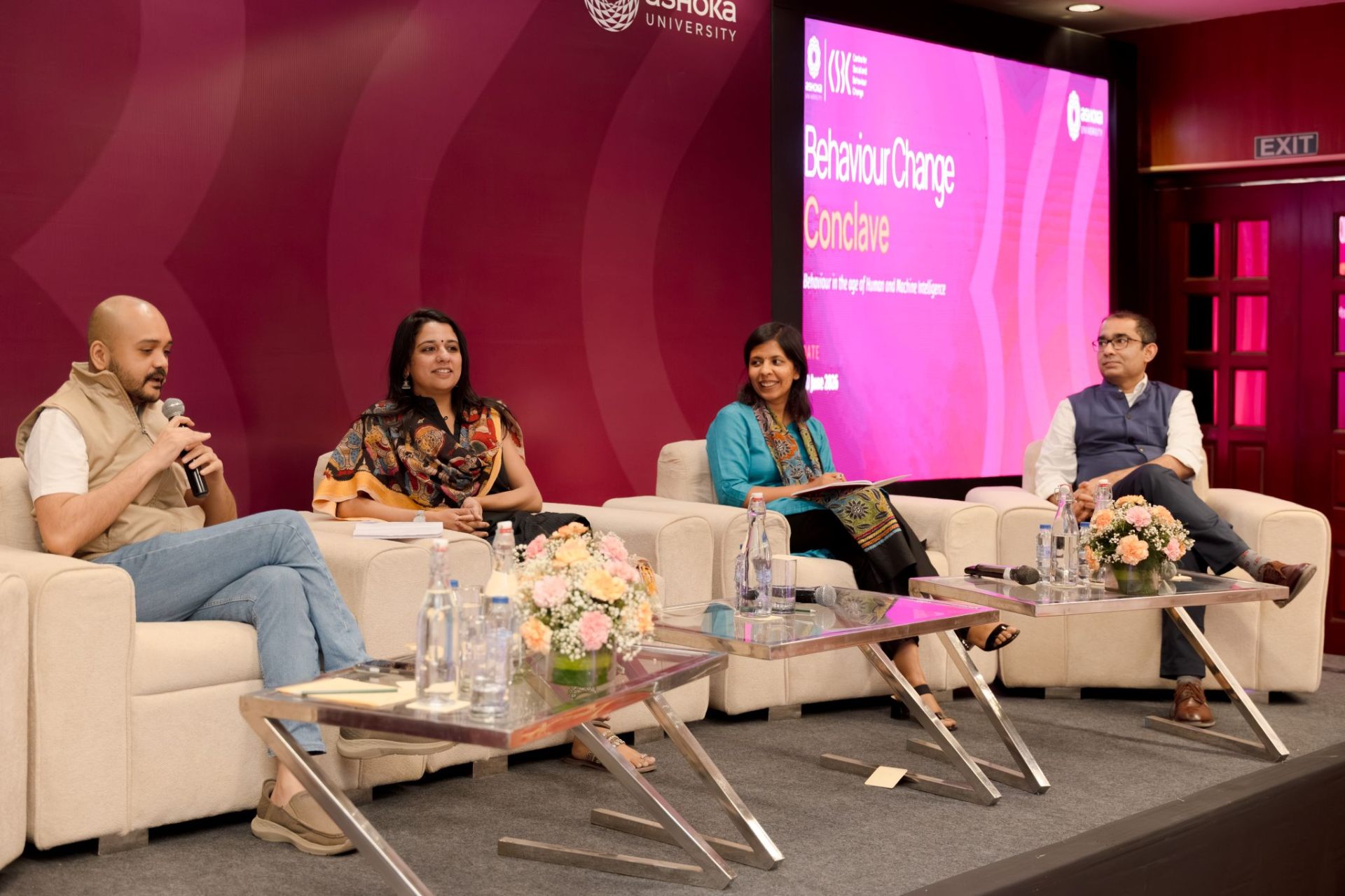
The Conclave brought together voices from academia, technology, public policy, philanthropy, and development to examine how AI is influencing human behaviour, governance, education, and public systems. The event reflected a growing recognition that the future of AI will be shaped not only by technological capability, but also by questions of trust, ethics, adoption, and human wellbeing.
A key announcement during the Conclave was the launch of the AI, Behaviour, and Impact Accelerator by CSBC. The initiative aims to support research, experimentation, and collaboration around the behavioural implications of AI and its role in addressing public challenges.
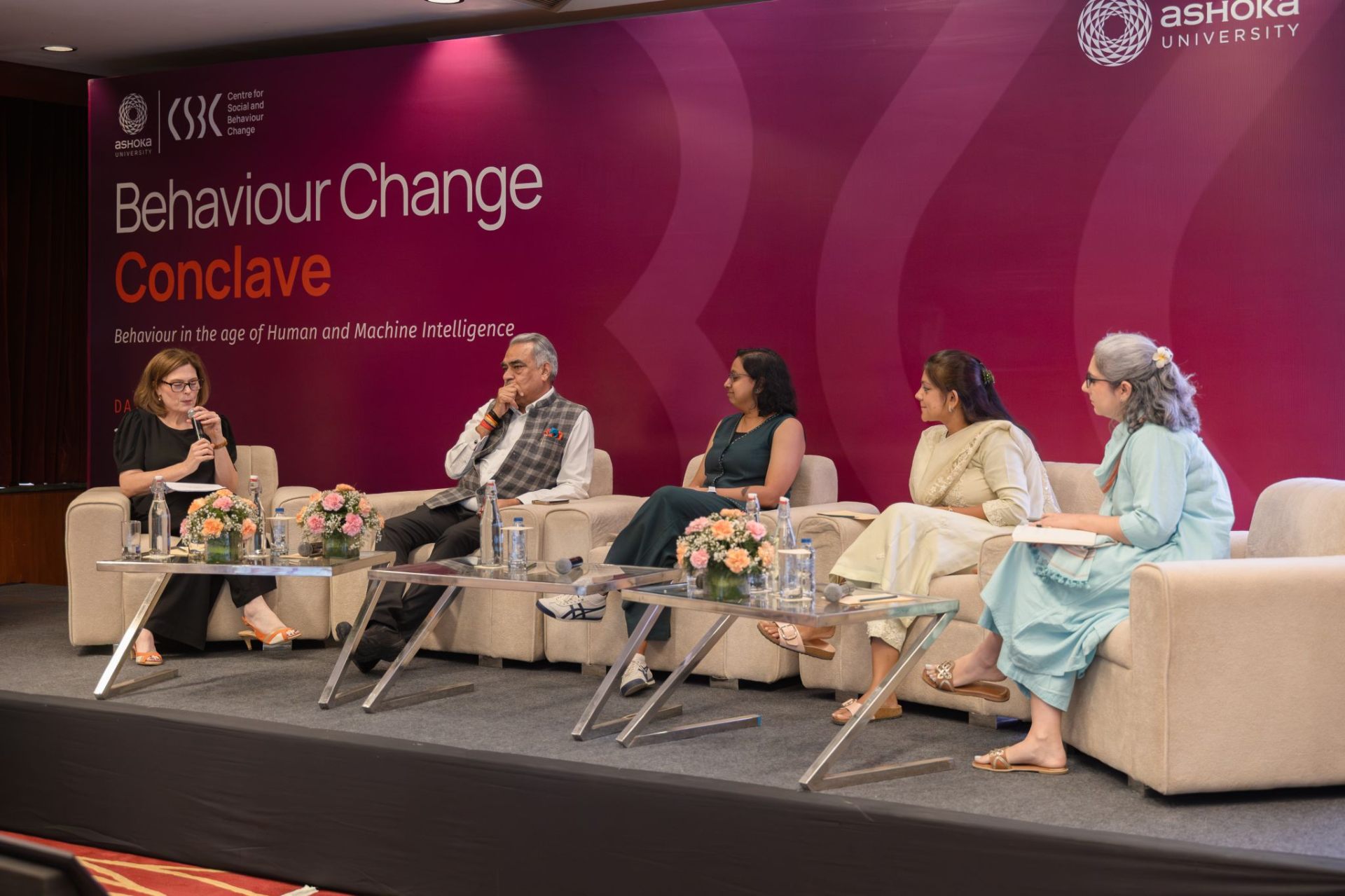
The programme included discussions on privacy, prediction, and the public good, with speakers exploring both the opportunities and risks associated with increasingly capable AI systems. The Conclave concluded with a leadership conversation on "AI, Behaviour, and the Future of Development" featuring Pramath Raj Sinha, Founder and Chairperson of Ashoka University, and Pavan Mamidi, Director of CSBC, who reflected on the role of AI in enabling more personalised and effective approaches to learning and development.
Splink's contribution: Intelligence for Human Wellbeing
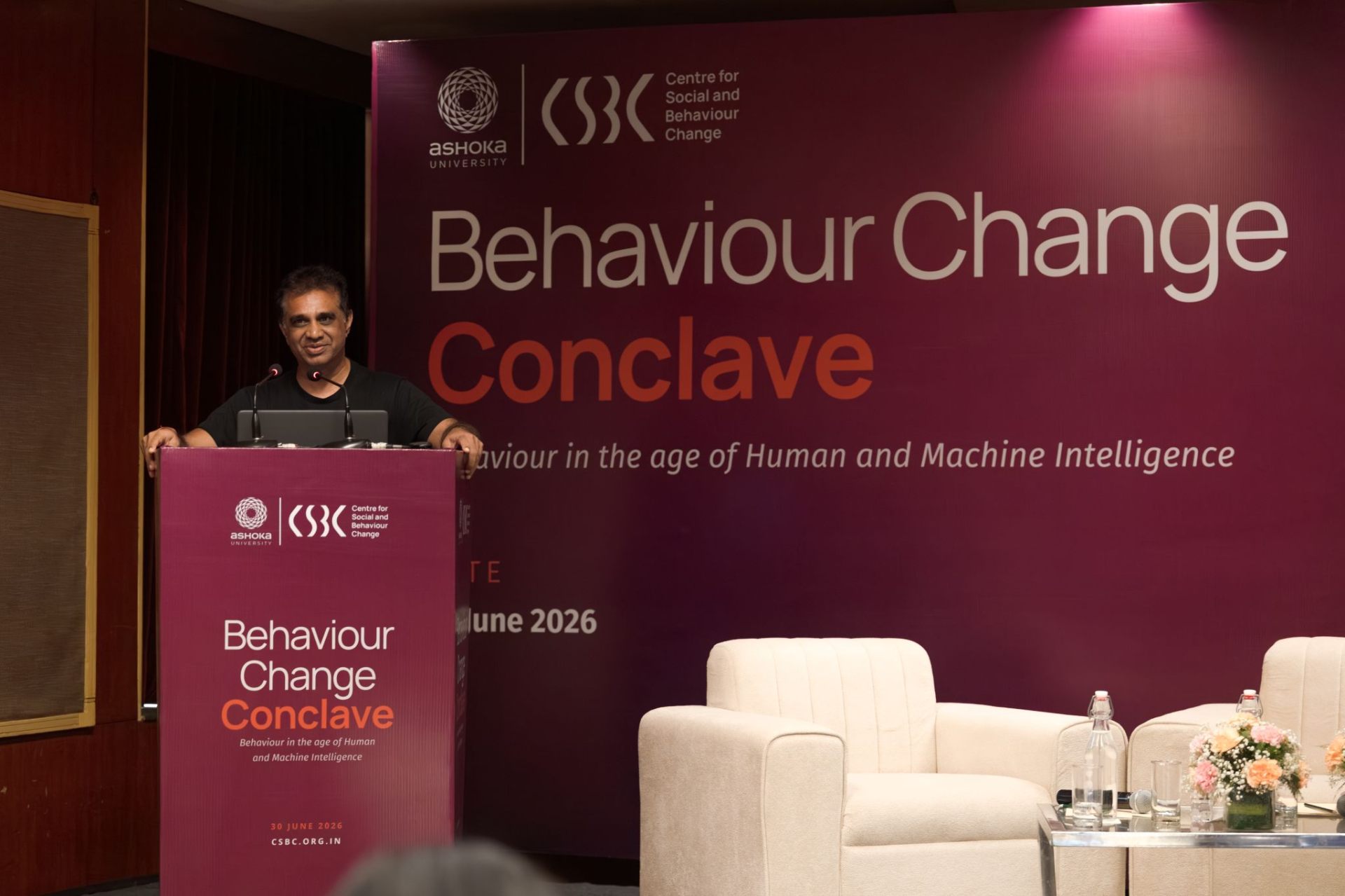
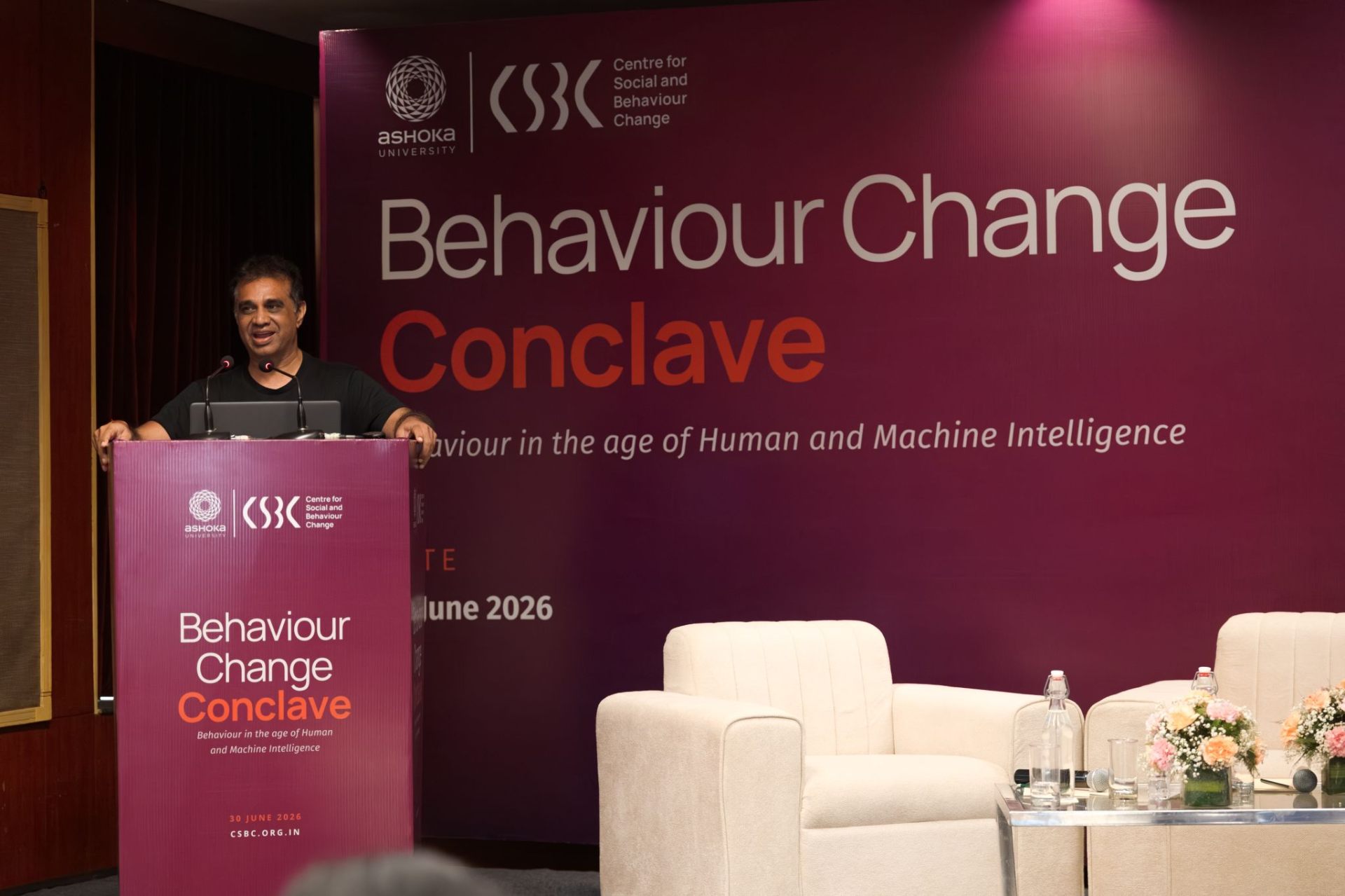
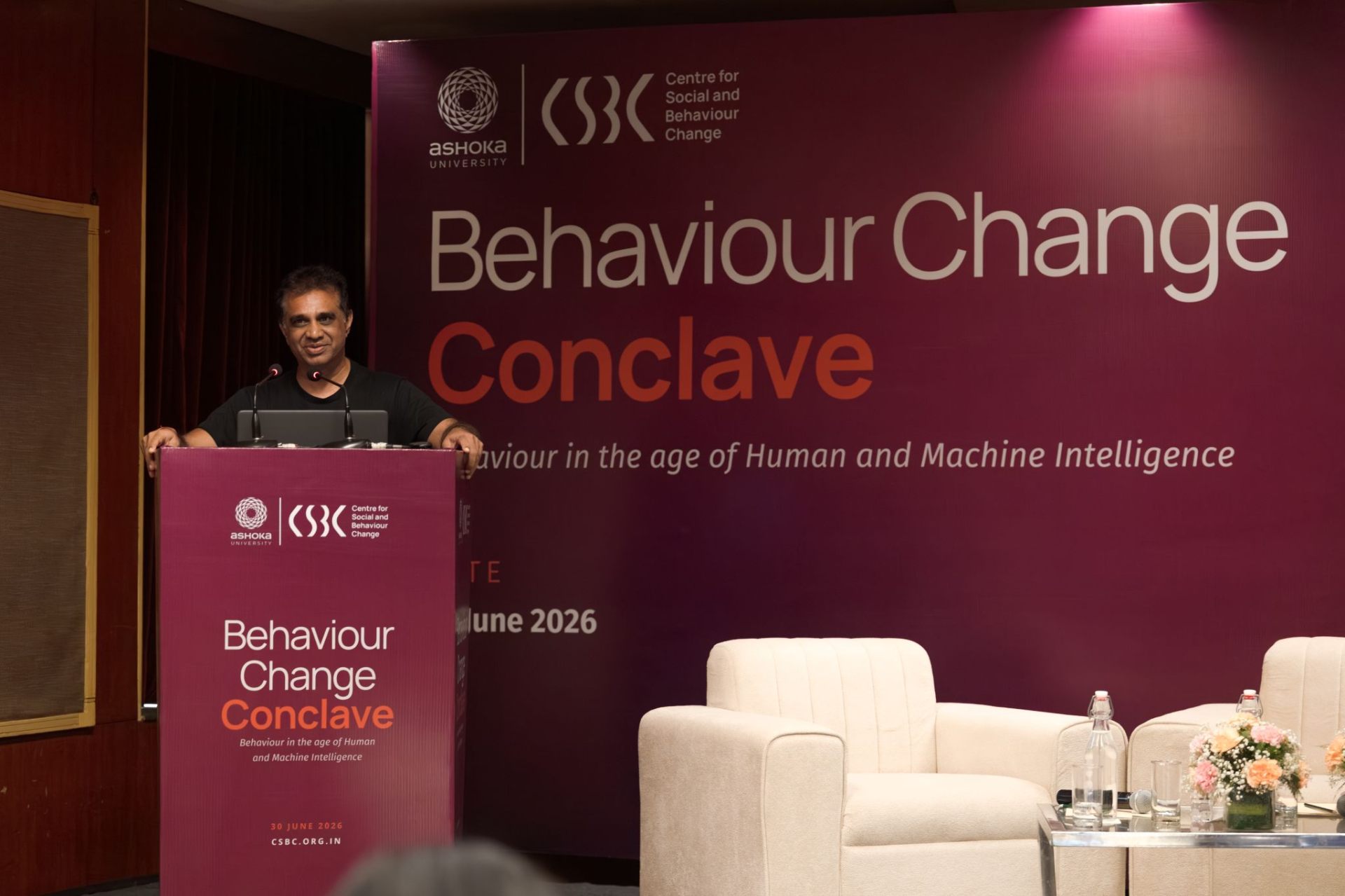
As part of the Conclave, Anand Mallipudi, Founder of Splink Pro AI, delivered a keynote titled "Intelligence for Human Wellbeing."
The session explored a different lens on AI: not as a tool primarily for automation, but as a way to understand human development more deeply. Drawing from Splink's work in movement analysis, behavioural understanding, and longitudinal development tracking, Anand argued that one of India's biggest challenges is not a shortage of talent, but a shortage of visibility.
A central idea from the keynote was "Developmental Memory" — the view that children should be understood through patterns of growth over time rather than isolated scores or report cards. As he reflected during the session:
"Children don't grow like photographs. They grow like films."
The talk also connected modern AI with broader ideas of holistic human development, emphasising that technology should support — not replace — the role of educators, coaches, and parents in recognising emerging potential.
Why this matters
For Splink, participating in Behaviour Change Conclave 2026 was significant because it placed the company within a broader national conversation on AI for public good, human development, and behavioural insight.
The themes discussed at the Conclave — wellbeing, learning, trust, early intervention, and human potential — align closely with Splink's mission of building India's Digital Public Infrastructure for Human Development.
As AI becomes more deeply integrated into public systems, the question is no longer only "What can AI automate?" but also "What can AI help us notice?"
And perhaps that is the more important shift: using intelligence not merely to optimise systems, but to ensure that every child has a better chance of being seen, supported, and understood.
Key themes from the session
Behaviour is not the whole story
Labels such as 'lazy,' 'distracted,' or 'motivated' are often convenient shortcuts. Behaviour is frequently a symptom of deeper developmental patterns — systems must learn to observe change rather than judge isolated moments.
The right to be seen
India does not suffer from a shortage of talent; it suffers from a shortage of visibility. AI can help identify emerging potential earlier — before confidence is lost and opportunities disappear.
Developmental memory
Children do not grow like photographs; they grow like films. Developmental Memory is a longitudinal record of growth that captures patterns across time rather than reducing a child to a single score or report card.
AI as a question, not an answer
AI changes the questions we ask. Instead of asking 'Who is talented?', we should ask 'Who is changing, and who have we failed to notice?'
- Event
- Behaviour Change Conclave 2026
- Organiser
- Centre for Social and Behaviour Change (CSBC), Ashoka University
- Date
- 30 June 2026
- Location
- Ashoka University, New Delhi, India
- Speaker
- Anand Mallipudi, Founder, Splink Pro AI
This article is based on publicly available event coverage and Splink's participation in Behaviour Change Conclave 2026, organised by the Centre for Social and Behaviour Change (CSBC), Ashoka University.